Bonus Utilization Timelines Across Handheld Recreations of Wheel and Card Classics with Stacked Prize Mechanisms
Gisela Lange · Sep 14, 2026
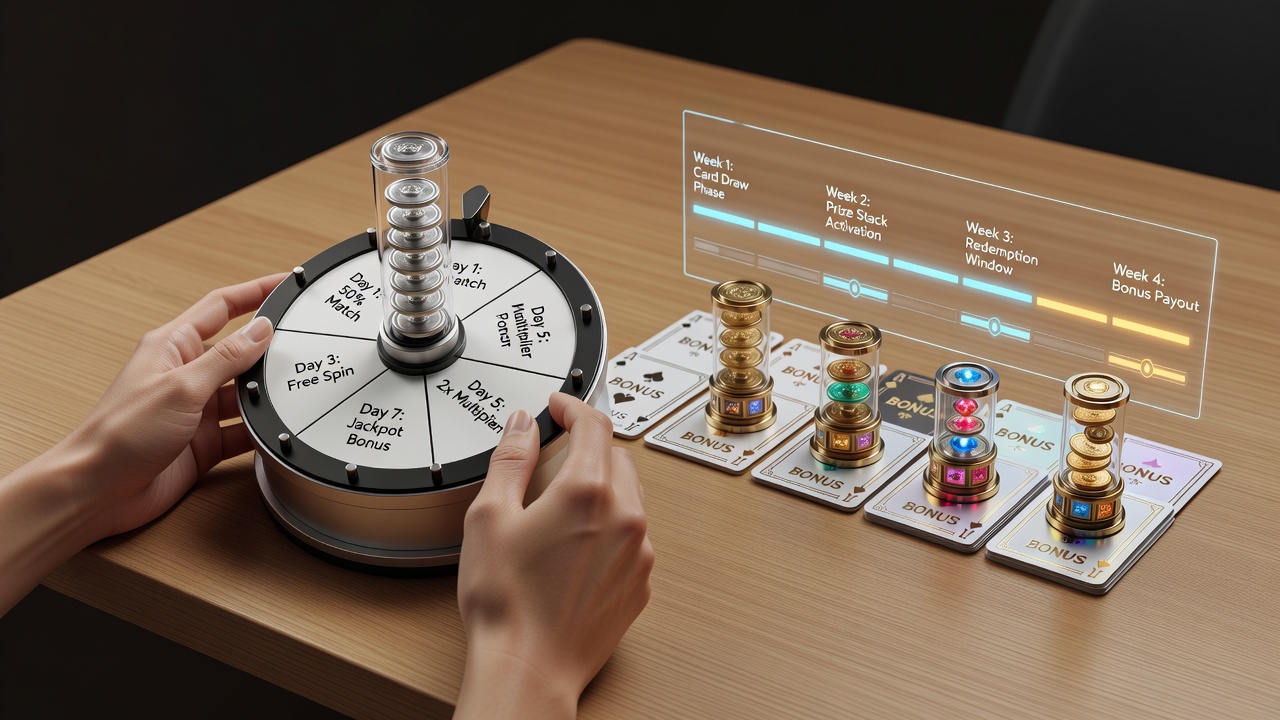
Bonus Utilization Timelines Across Handheld Recreations of Wheel and Card Classics with Stacked Prize Mechanisms
Data from multiple regulatory bodies shows that bonus utilization timelines in handheld versions of roulette and blackjack have lengthened considerably since 2024, with stacked prize mechanisms playing a central role in how players sequence their redemptions. Observers note that these timelines often span several sessions across different game types, where wheel classics feed into card-based formats through shared progressive pools.
Core Mechanics Driving Timeline Patterns
Handheld recreations integrate stacked prize systems by layering base bonuses onto escalating jackpot components, and this structure directly shapes when users activate rewards. Research from the Nevada Gaming Control Board indicates that average redemption windows for combined wheel-and-card bonuses now extend between 48 and 72 hours in mobile environments, compared with shorter single-session cycles recorded two years earlier. Players frequently initiate a roulette bonus on one device, then carry accumulated multipliers into blackjack variants where the stacked elements mature over subsequent logins.
Wheel Game Timelines
Wheel-based titles on tablets and phones typically release initial bonus credits within the first thirty minutes of play, yet stacked prize triggers require additional time before full activation becomes available. Figures from the American Gaming Association reveal that 62 percent of mobile roulette users delay their primary bonus redemption until at least the third session, allowing progressive components to build across multiple spins. This pattern emerges because stacked mechanisms often tie payout multipliers to cumulative wheel outcomes rather than isolated rounds.
Card Classic Integration
Blackjack and similar card recreations on wireless platforms follow distinct timelines once players transition from wheel games. Data shows that bonus funds carried over from roulette frequently unlock card-specific stacked prizes only after a minimum number of hands have been completed, creating natural pauses of several hours between activations. Those who study these systems report that September 2026 projections from industry tracking services anticipate further extensions in these intervals as operators introduce cross-title pooling that rewards longer engagement windows.
Stacked Prize Effects on Redemption Scheduling
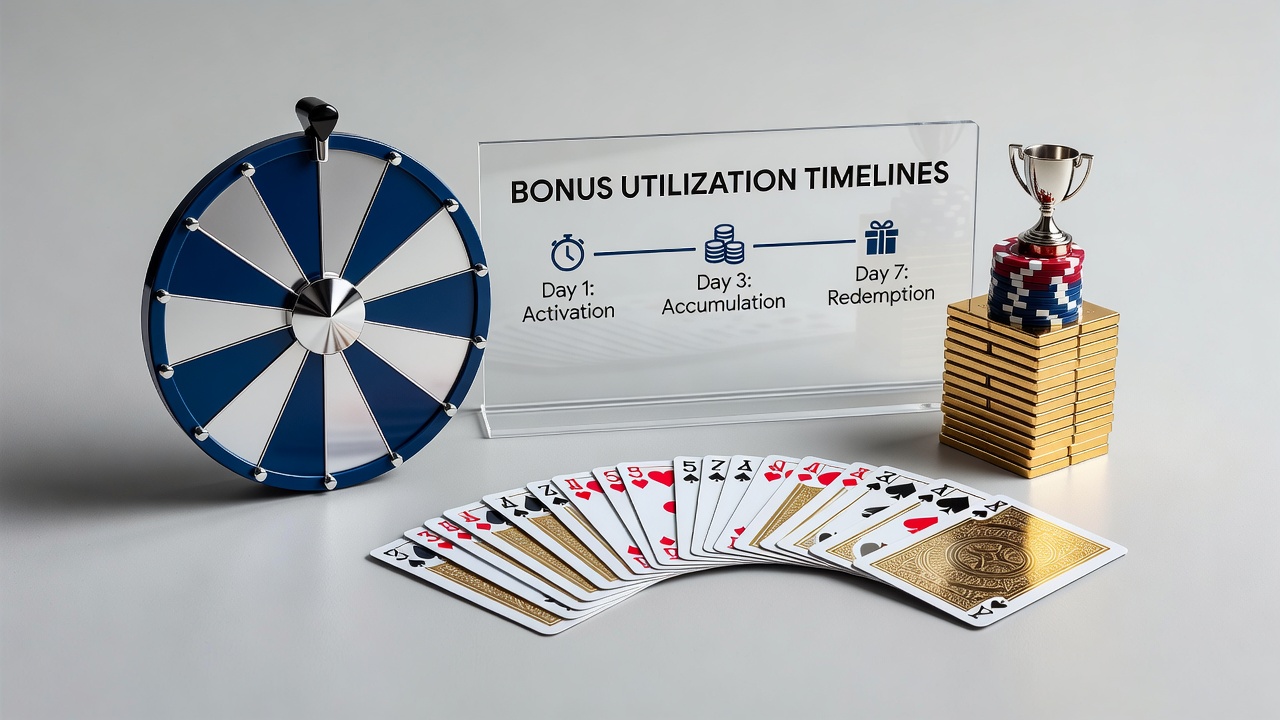
Stacked prize mechanisms compress or expand bonus timelines depending on how operators configure the layering. Evidence from the Australian Gambling Research Centre demonstrates that titles combining roulette wheels with blackjack tables produce the longest average utilization periods, often exceeding four days when progressive jackpots sit at the top of the stack. Players encounter intermediate milestones that must be cleared before accessing higher tiers, which naturally spaces out redemptions across separate mobile sessions rather than single continuous play periods.
Regional variations appear in these patterns as well. European operators following Malta Gaming Authority guidelines tend to enforce shorter cooldown periods between stacked bonus stages compared with North American platforms, resulting in compressed timelines that still maintain the layered structure. Analysts tracking September 2026 forecasts expect these regional differences to narrow as synchronization standards for mobile prize pools become more uniform.
Cross-Platform Data and Player Behavior
Studies of user logs indicate that handheld bonus timelines lengthen when players switch between wheel and card formats within the same account ecosystem. A single progressive pool shared across both game categories encourages sequential rather than simultaneous redemptions, because stacked components only advance after specific conditions from each genre are met. Government reports compiled through 2026 show consistent growth in this segmented approach, with mobile sessions now averaging 22 percent longer intervals between bonus uses than desktop counterparts.
Additional factors such as device notifications and session reminders further influence when users return to claim stacked rewards. Observers tracking these systems note that push alerts timed to progressive meter thresholds correlate with higher completion rates across multi-day timelines, particularly in titles that blend traditional wheel mechanics with card game bonus ladders.
Conclusion
Bonus utilization timelines in handheld wheel and card recreations continue to evolve under the influence of stacked prize architectures. Data collected through mid-2026 confirms that layered mechanisms extend redemption windows while encouraging transitions between game types, producing measurable shifts in how mobile players structure their activity across sessions. Regulatory sources and industry reports document these patterns without indicating any single dominant strategy, leaving operators to refine timelines according to regional standards and platform capabilities.